

You change the bedding, wipe the shelves, crack open a window, and still wake up with a blocked nose. That’s the maddening part of a dust-sensitive home. It can look tidy and still feel like it’s working against you.
In Leeds, that problem builds fast. Spring pollen blows in, traffic dust settles on sills, and damp corners quietly feed mould. The good news is that the right house cleaning Leeds routine can change how your home feels, not just how it looks. When hidden irritants are lifted out properly, mornings get easier, evenings feel calmer, and the whole house feels lighter.
Why dust-sensitive Leeds homes can feel clean and still cause flare-ups
A quick tidy handles what you can see. Allergy triggers usually hide in what you can’t.
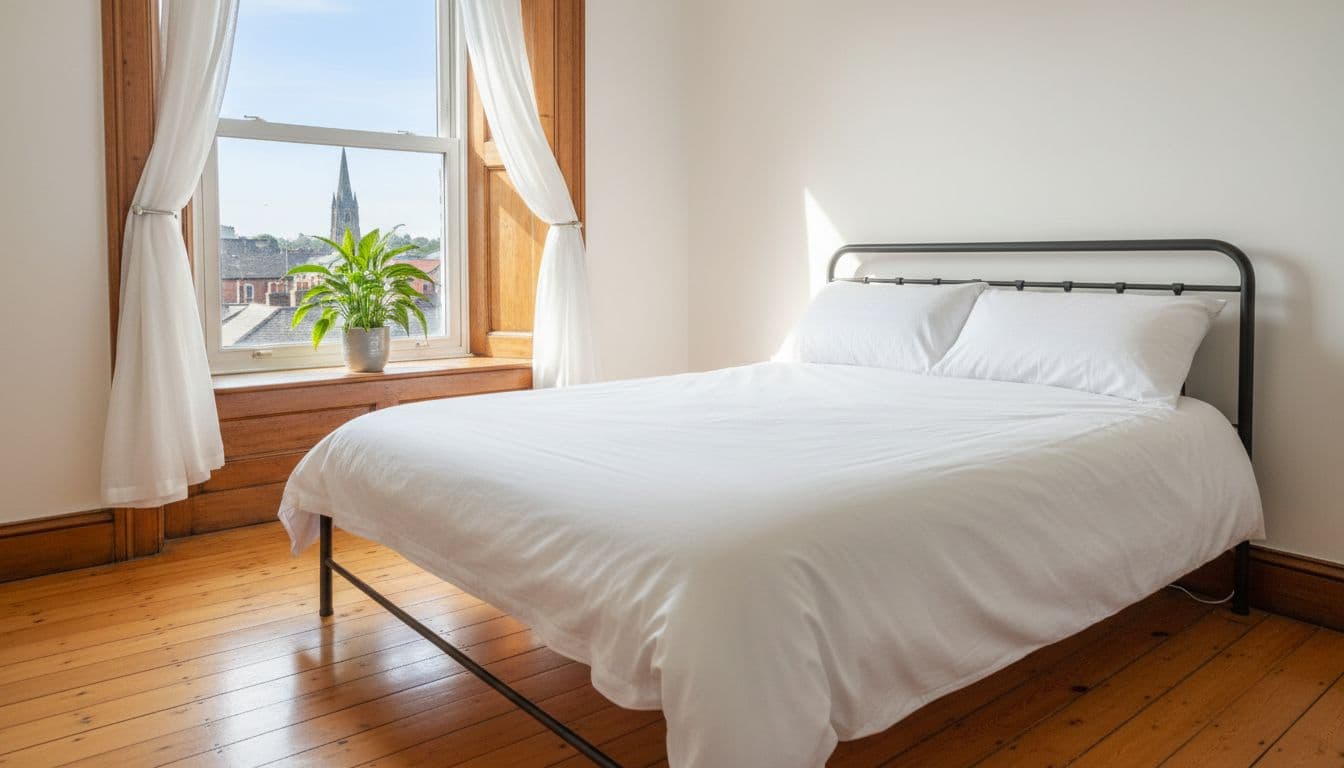
In Leeds, soft furnishings collect a mix of indoor and outdoor irritants. Carpets trap fine road dust. Curtains hold pollen. Bedding becomes a safe place for dust mites. Add damp weather, and bathrooms or window edges can become a quiet problem too.
One local family thought they were cleaning enough because the floors looked good and the kitchen smelled fresh. Yet their child still woke up congested most mornings. The real issue sat in the mattress edges, under the bed, and deep in the sofa fabric. Once those areas were cleaned properly, the room felt different by the first night.
Specialist advice on dust mite elimination in Leeds points to the same trouble spots again and again. In most homes, the worst areas are:
- Bedrooms: mattresses, headboards, blinds, and under-bed dust
- Living rooms: upholstery, rugs, and cushion seams
- Hallways: shoes, coats, and outdoor dirt carried inside
- Bathrooms: damp corners, seals, and hidden mould growth
If symptoms ease when you leave the house and return at bedtime, the trigger is often buried in fibres, not floating in plain sight.
That’s why professional house cleaning Leeds for dust-sensitive homes can make such a noticeable difference. It reaches the places a rushed weekend clean usually misses.
What allergy-friendly house cleaning should actually focus on
Not every clean brings relief. Some routines even make things worse.
Dry dusting can throw particles back into the air. Strong fragrances can irritate sensitive noses. Fast vacuuming often skims the surface and leaves grit behind. For a dust-sensitive home, the goal is simple, remove allergens without stirring them up.
That means slower vacuuming, careful cloth work, and extra attention to fabrics. National guidance from allergy cleaning specialists also highlights the main culprits, dust mites, pollen, mould spores, pet dander, and chemical residue. In other words, the issue isn’t only “dust”. It’s the whole mix that settles into daily life.
Bedrooms and lounges usually need the most care because that’s where you breathe deeply and spend the most time. Meanwhile, kitchens and bathrooms need moisture control. Hallways matter more than people think as well, because every shoe can carry in pollen, soot, and grit from outside.
A proper clean should leave the home feeling calm, not heavily perfumed. Air should feel fresher. Surfaces should stay clean longer. Most of all, you should be able to sit on the sofa or climb into bed without that nagging sense that your home is full of invisible grit.
If you want a clearer picture of what’s in a pro clean for dust-sensitive Leeds homes, it helps to look room by room. The best results come from steady, thoughtful work, not flashy products.
When regular house cleaning in Leeds becomes the smart move
The biggest benefit of regular help isn’t just a shinier home. It’s relief.
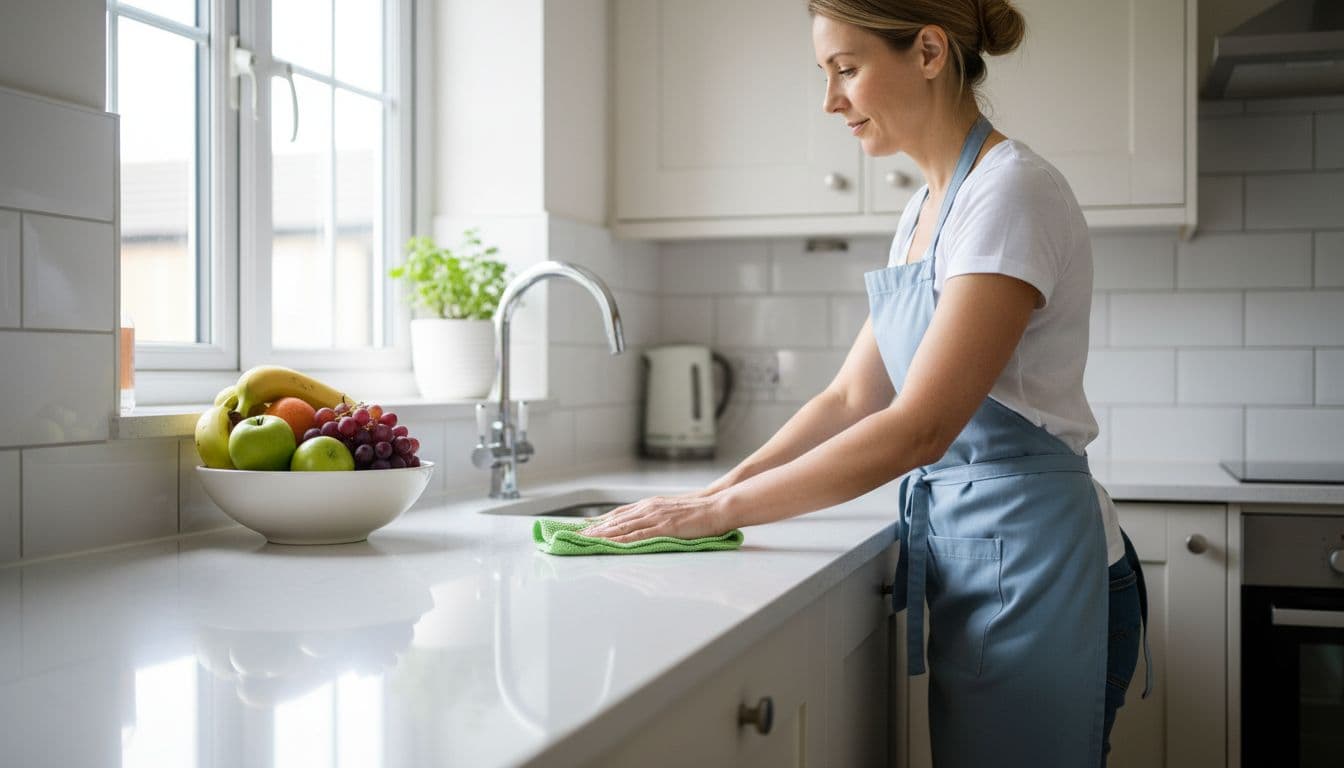
Imagine finishing work, walking through the door, and not catching that stale, dusty smell on the stairs. Picture sitting down with a cup of tea instead of dragging the vacuum out again. For allergy sufferers, that shift feels less like a luxury and more like getting part of life back.
March is when many Leeds homes start to feel the change. Pollen season begins, windows open more often, and hidden dust starts moving around again. So this is the time to get ahead of it. A routine clean keeps daily build-up under control, while a deeper reset clears what has settled into fabrics, corners, and edges over winter.
That balance matters. Surface cleaning keeps a home presentable, but deep cleans vs routine for dust control in Leeds shows why sensitive households often need both. One keeps the problem smaller. The other strips it back before symptoms start running the house.
Clients often say the change they notice first is how a room feels. Sleep comes easier. Morning sneezing eases off. The air stops feeling heavy. That’s the kind of result people remember.
If your home still feels dusty a few hours after cleaning, don’t keep fighting the same battle every weekend. A fresh plan, or the right support, can turn your house back into the safe, restful place it should be.
A dust-sensitive home can steal sleep, comfort, and peace of mind. Yet with the right approach, those things come back. Thoughtful house cleaning Leeds services can cut the load of pollen, dust, and damp build-up before it takes over. Start with the rooms that affect you most, and if you want faster relief, book help while spring dust is still manageable.